
Managing Datasets
An introduction to management of datasets

Datasets define how tags and tasks are structured in R2S and how they appear in the visual model. Each one can represent a distinct category of information—such as equipment classes, work orders, anomalies, or inspection points.
Each Dataset, and the tags or tasks that belong to it, becomes a layer that can be turned on/off in the Layers Panel.
If you have the Dataset Administrator role in R2S, you can manage datasets on the Project Management page, accessed on the Project Navbar.
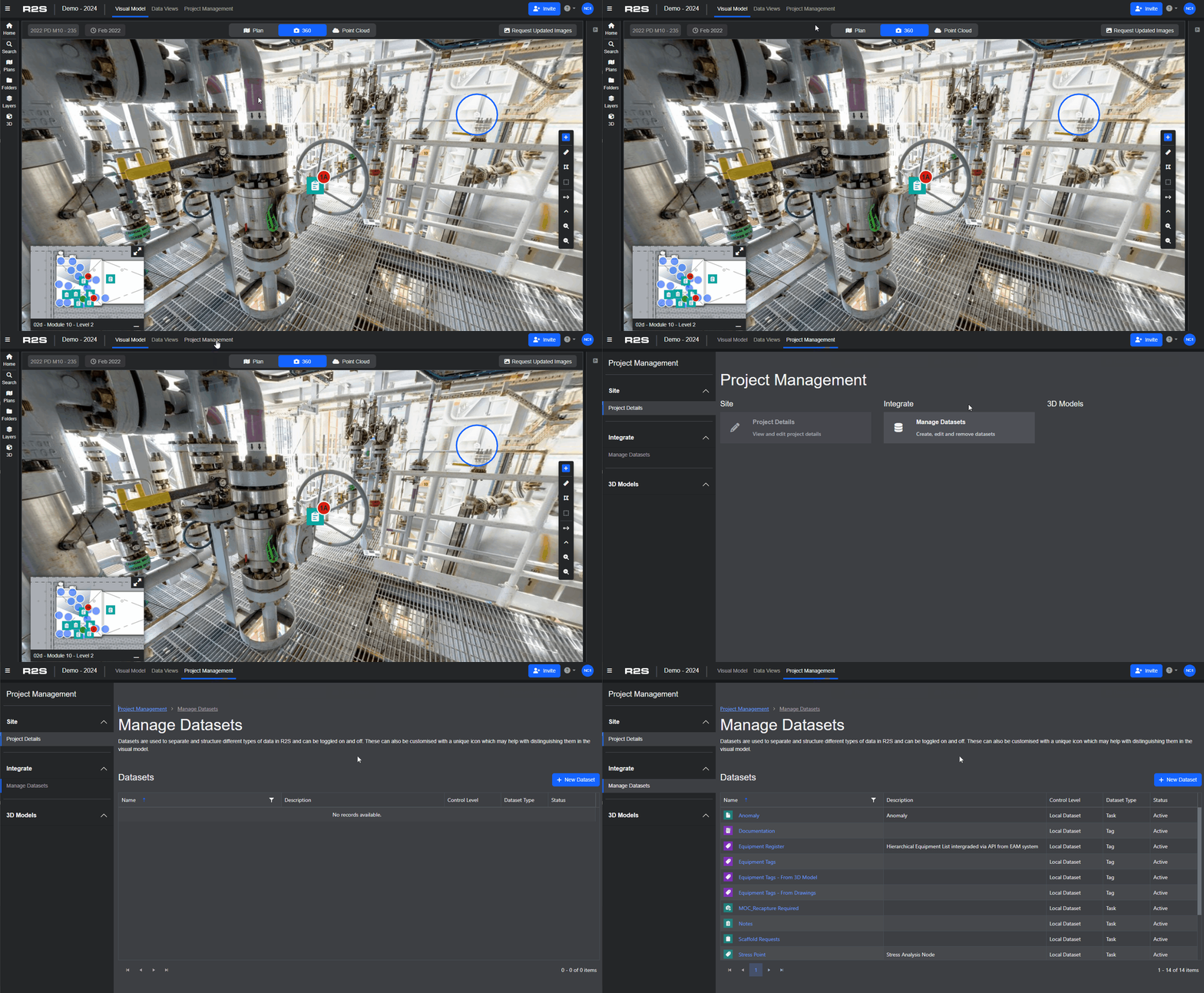
This page lists all the datasets currently available in the active project and allows you to create new datasets or edit existing ones.
To make a New Dataset, please see the following guides.
Creating New Dataset
Cloning Datasets
Global Datasets
Editing Existing Datasets
Selecting any existing dataset from the Manage Datasets page gives you the following options.
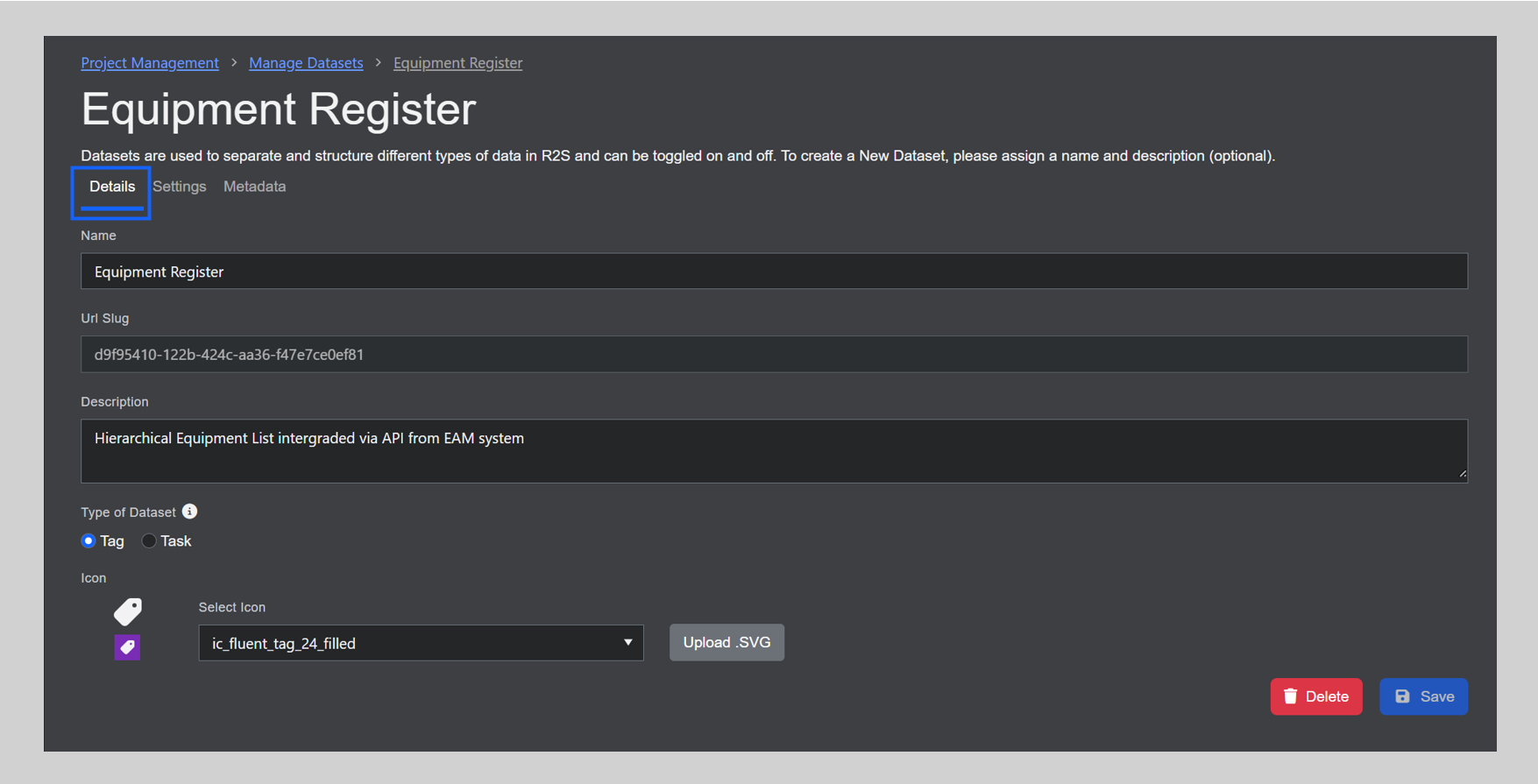
Details tab
- Edit the Dataset's name.
- Add or edit a description summarising the dataset’s content and purpose.
- Change the icon you want to use. Select a new one from the dropdown list or upload your own icon in .SVG format.
- Click 'Save' to save your changes.
Settings Tab
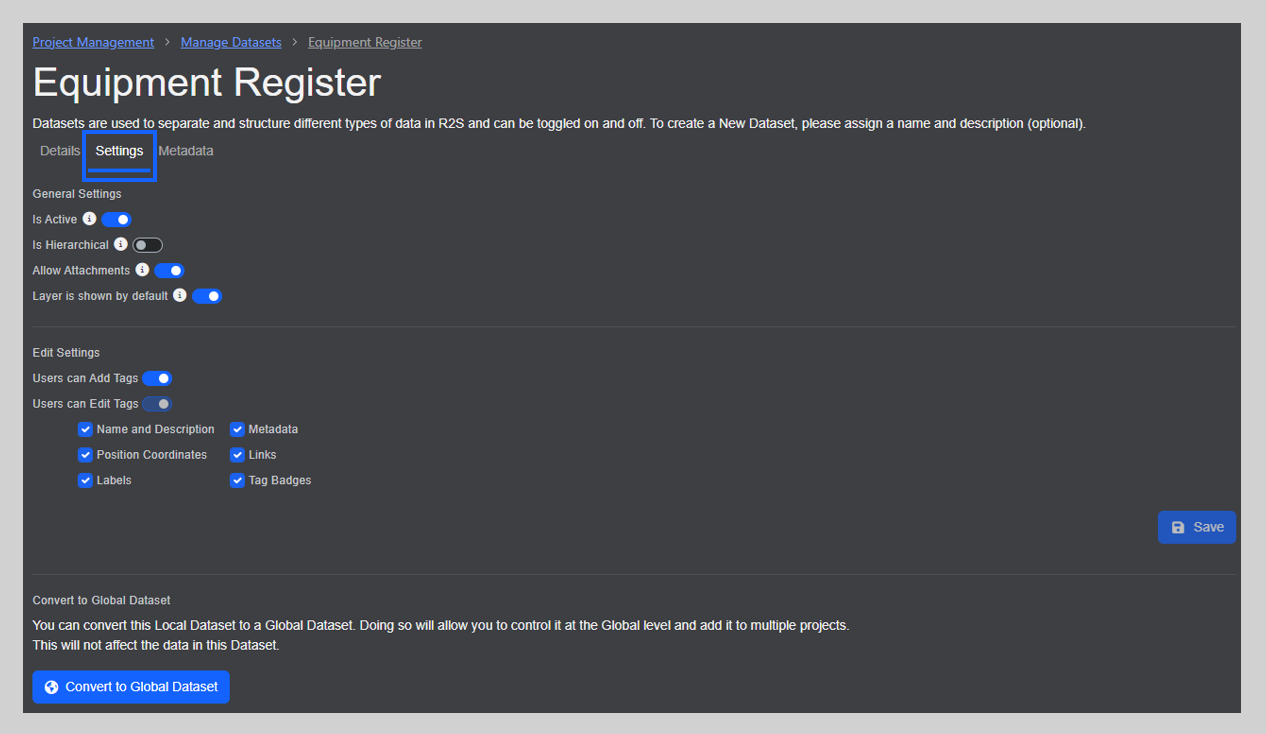
Enable/disable the Dataset and control what users can do with it.
General Settings
- Is Active - when enabled, the dataset and all it's tags will be available in the project to all users.
- Is Hierarchical - enables the ability to view parent and child links, if available.
- Allow Attachments - when enabled, users will be able to upload and download attachments to individual tags and tasks.
- Layer is shown by default - when enabled, the Dataset will be shown as a layer to all users (this can be adjusted using the Layers Panel). If this is disabled, the Dataset will be hidden from view, however, items in the Dataset will still be searchable.
Edit Settings
- User can add tags - if this is toggled on, new tags can be added to the Dataset. If this is off then the dataset is effectively locked, useful for maintaining verified information such as equipment tags.
- Users can edit tags - When toggled on, users can only change the attributes that are ticked.
Convert to Global Dataset
Clicking the 'Convert to Global Dataset' button allows you to change the Dataset's type. Please note that this is a one way process and the cannot be reversed.
See Global Datasets for further detailed information.
Metadata Tab
This is where you set up the metadata fields for your Dataset. Once configured, every tag you add will include these fields, making each tag or task more informative and enabling more precise searching and filtering. Each metadata field can represent a specific type of information such as text, lists, dates or hyperlinks.
Simply click the '+ New Metadata Field' button, choose a name for the field and then the select the type of data you want that field to contain from the dropdown list. You can add as many metadata fields as required.
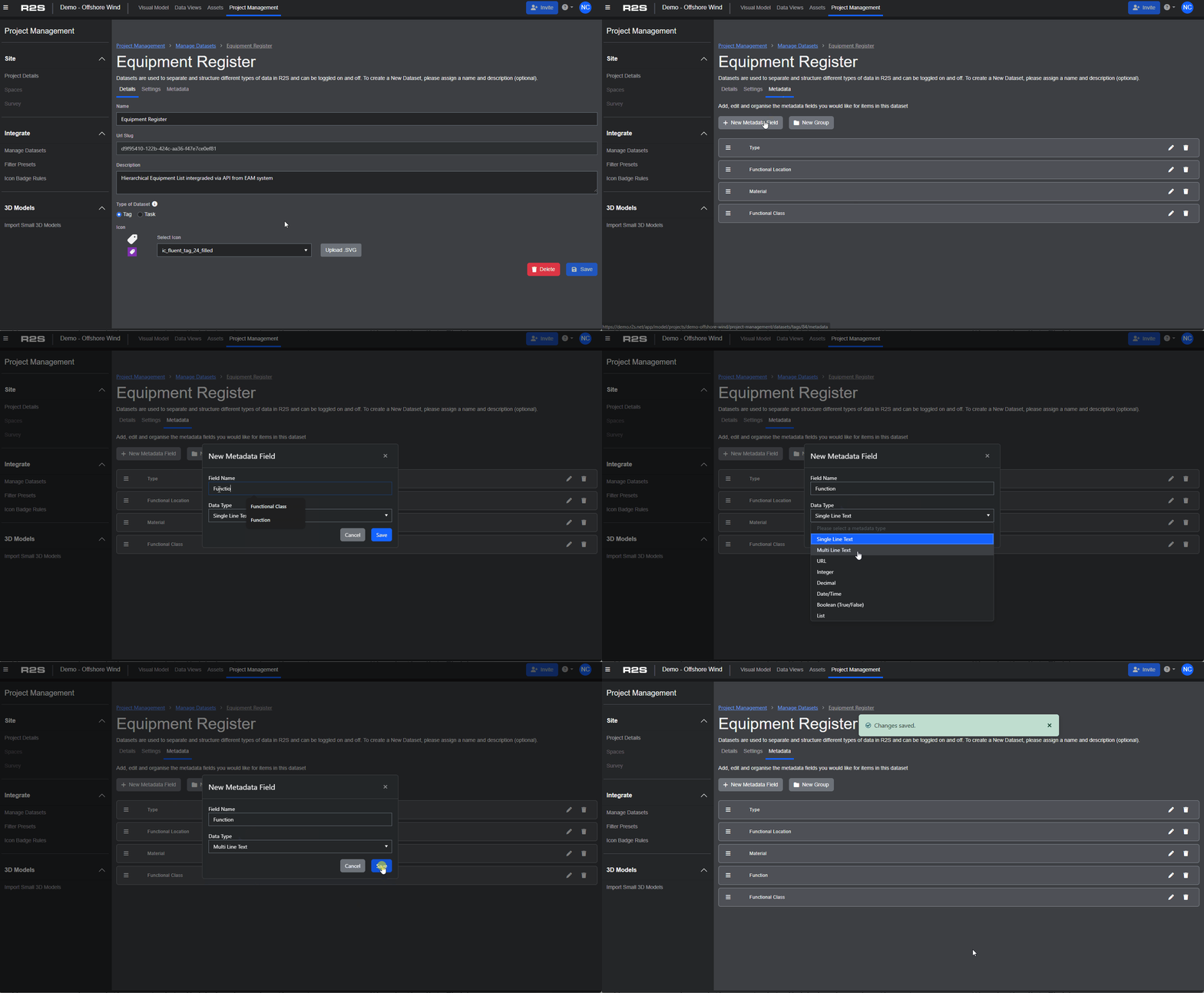
You can reorder existing metadata fields by dragging them to a new position in the list. Fields can also be grouped to enhance structure. The groups and order you define here determine how they appear in the Tag Panel.
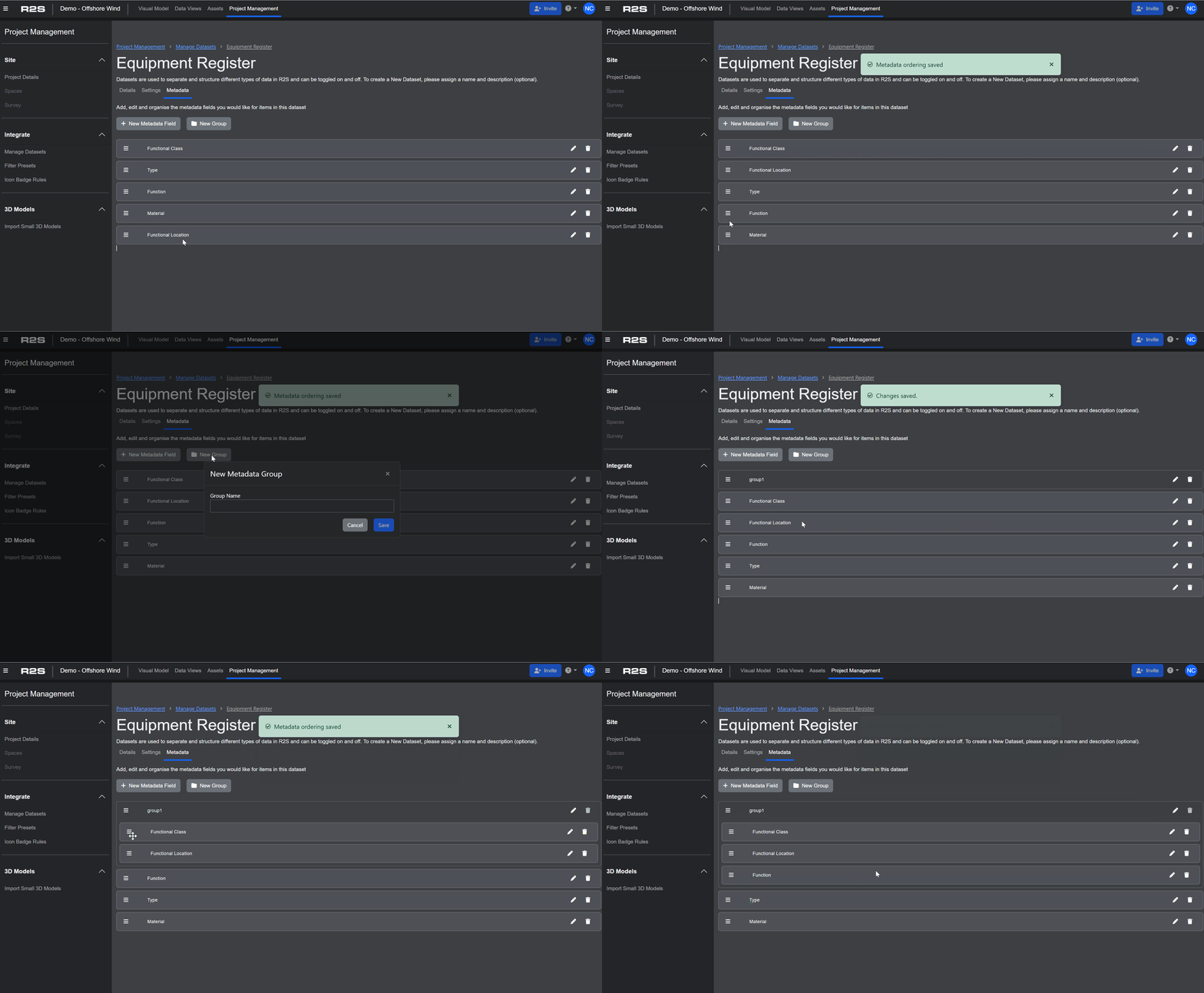
Have a look through this interactive guide to learn how to set-up metadata fields for a Dataset designed to support shutdown planning. Click in the top right corner to go into full screen mode.
After editing a dataset, your changes will be instantly visible to users all users in R2S. To check your updates, open a tag or task from the dataset and look at it in the Tag Panel to see the changes applied.
Have a look through these guides to see more information on the Tag Panel.
Support: If you require more information about Dataset Management, please get in contact.